

Key Takeaways
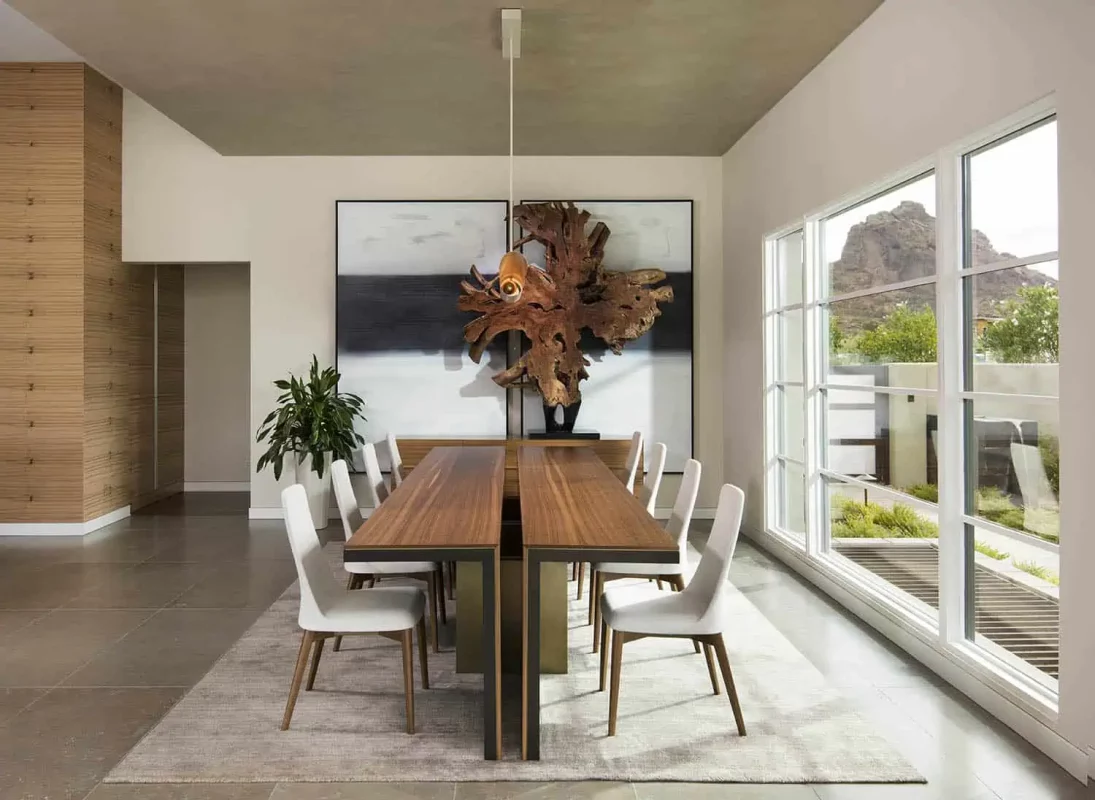
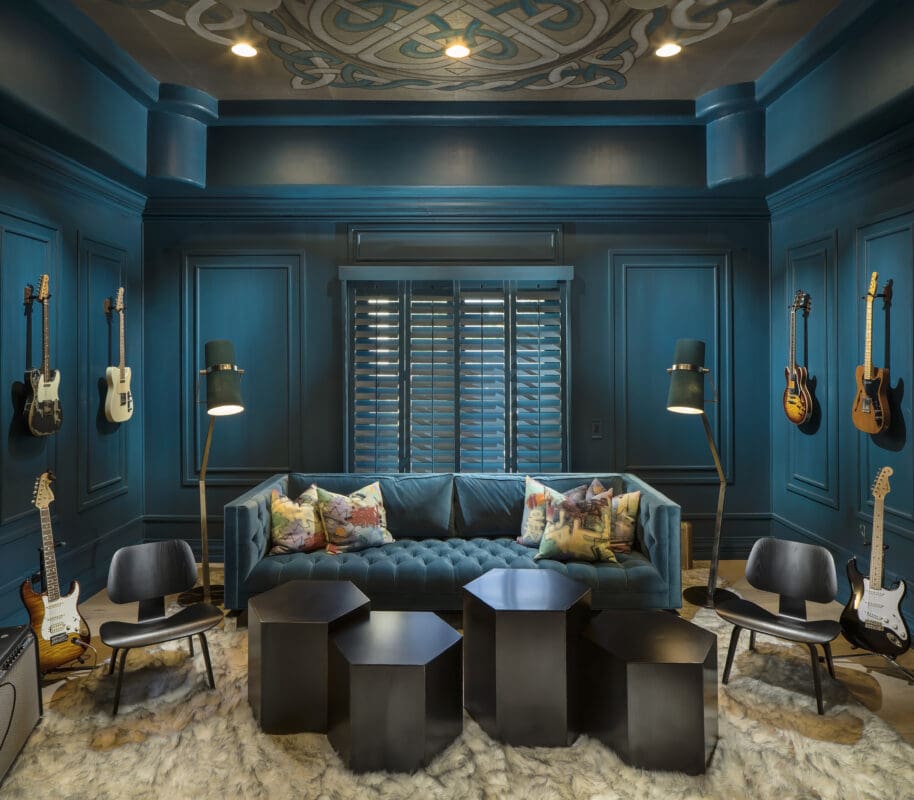
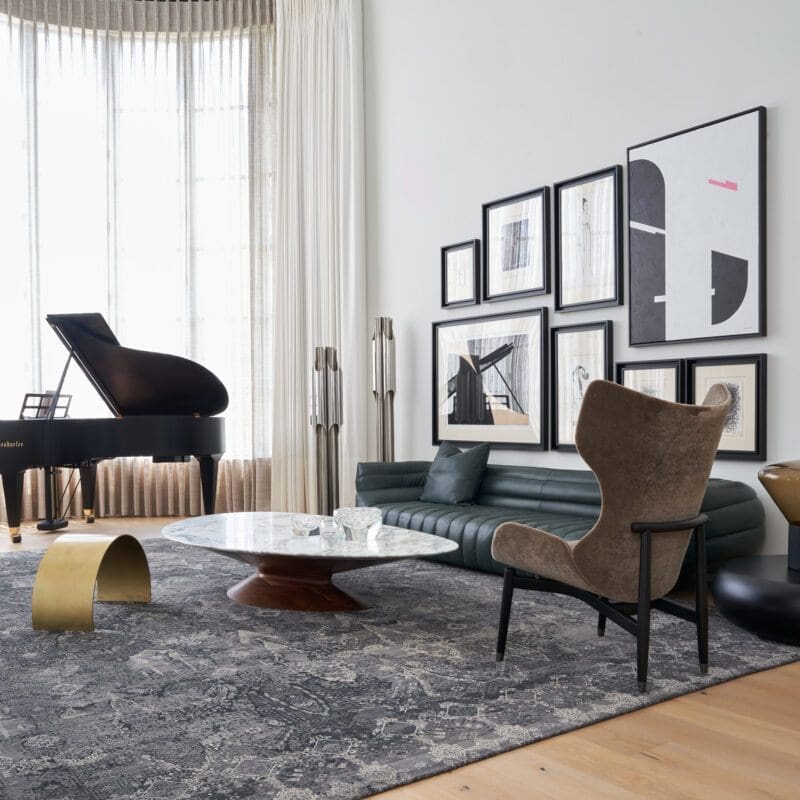
- Investing in fewer, superior items (furniture, décor) yields greater value, longevity and emotional resonance.
- Quality means sensory experience (touch, sight, smell) and story—pieces should enrich life’s moments.
- Curating a home like a collection—selecting items with meaning and craftsmanship—is more impactful than chasing trends or filling space.
Buy Less, Buy Well: Quality Products
When I was a young girl, I remember my aunt visiting from Germany. For a little girl growing up in coastal Maine, she was
an exotic creature: sophisticated, worldly and so intellectual. To this day I remember the most beautiful cognac-toned,
leather pants that were part of her travel wardrobe. Exhibiting exquisite tailoring and an impeccable fit, even my little eye
recognized the quality and craftsmanship, and yes, the price tag. She wore them so often in clever ways to transition her look.
I know those trousers lasted her for decades.
Often true of the European aesthetic, buying a few true-quality, non-disposable pieces trumps having a plethora of shoddy
selections. Less is truly more. In fact, investing in quality saves money in over the span of your lifetime.
That’s why it’s a great mantra, and a value by which I try to live my life. The pieces of clothing I have need to mean something
to me. The same is true in our homes. There is only one bed at a time in which we sleep and only one sofa on which to
snuggle with our family. That’s why we should seek quality investments. Offer our senses the best experience: compelling to
touch, sweet to smell, beautiful to our eyes. Those experiences enrich life’s moments. Buy less but buy well. Be a curator of
your life’s collections and let it reflect who you are. Enjoy the history of the pieces you have acquired with the help of a
trained eye for style and quality.
Well-Designed Pieces
Enjoying well-designed pieces and understanding the designer’s inspiration behind the creation adds another facet to
quality. It’s interesting, as I often travel to Italy and France to the international design fairs and shows, it is the designer
and their creative genius behind a piece that is celebrated. Design shows such as in Dubai, Shanghai, and the States, are often
very product and sales driven. Japanese organizing consultant Marie Kondo further encourages us to buy less
and invest in only those pieces that give us joy, according to her best-selling book The Life Changing Magic of Tidying Up,
saying “only fill your home with items that spark joy,” she says. I love this sentiment.
Everything starts in the mind of a creator, and whether that is you or your designer, curating the pieces in your home adds
sophistication and depth to our spaces, enriching the experience of the space and our lives.
Don’t be afraid. A good piece can artistically translate into almost any setting adding a unique and personal charm to the
eclecticism of a space. How proud will you be to share the charming history of a piece with your friends and family.
Enrich your life with the opportunities available in furnishing a home that uplifts the human spirit, and in that, you’ll
spark joy.
FAQs
- What does “Buy Less, Buy Well” mean for home furnishings?
It means prioritising fewer items of high quality, craftsmanship and meaningful design rather than acquiring many lesser‑quality items. The goal is pieces that endure in both style and function.
- How do I identify a “well‑designed” piece for my home?
Look for craftsmanship (joinery, materials, finish), consider the designer or maker’s intent, and pick items that align with your personal story or lifestyle—not just what looks popular at the moment.
- Does buying fewer higher‑quality pieces mean spending more upfront?
Often yes—initial cost may be higher—but the long‑term value is in durability, reduced replacement cycle, emotional satisfaction and a stronger sense of cohesion in your home.
- How can I apply this mindset if I have a tighter budget?
Focus on one foundational piece you’ll use daily (a bed, sofa, dining table) and allocate a larger portion of your budget there; then fill around it with smaller, less expensive accents. Over time you build the collection intentionally.
- Why is the concept of “curating your life’s collection” important in the context of quality interiors?
Because when your furnishings reflect meaning, story and you—not just aesthetics—they become part of your identity and home legacy, making the space feel personal, authentic and timeless.