

Key Takeaways
- Thoughtful design enhances not just beauty, but emotional well-being and connection.
- Natural light, organic textures, and biophilic touches bring balance to indoor spaces.
- Comfort in luxury design comes from intention — how spaces make us feel, gather, and restore.
- The right color palette, furnishings, and flow foster a sense of togetherness and calm.
- Winter is a time to slow down and savor — design can create that sanctuary.
The Art of Living Well at Home
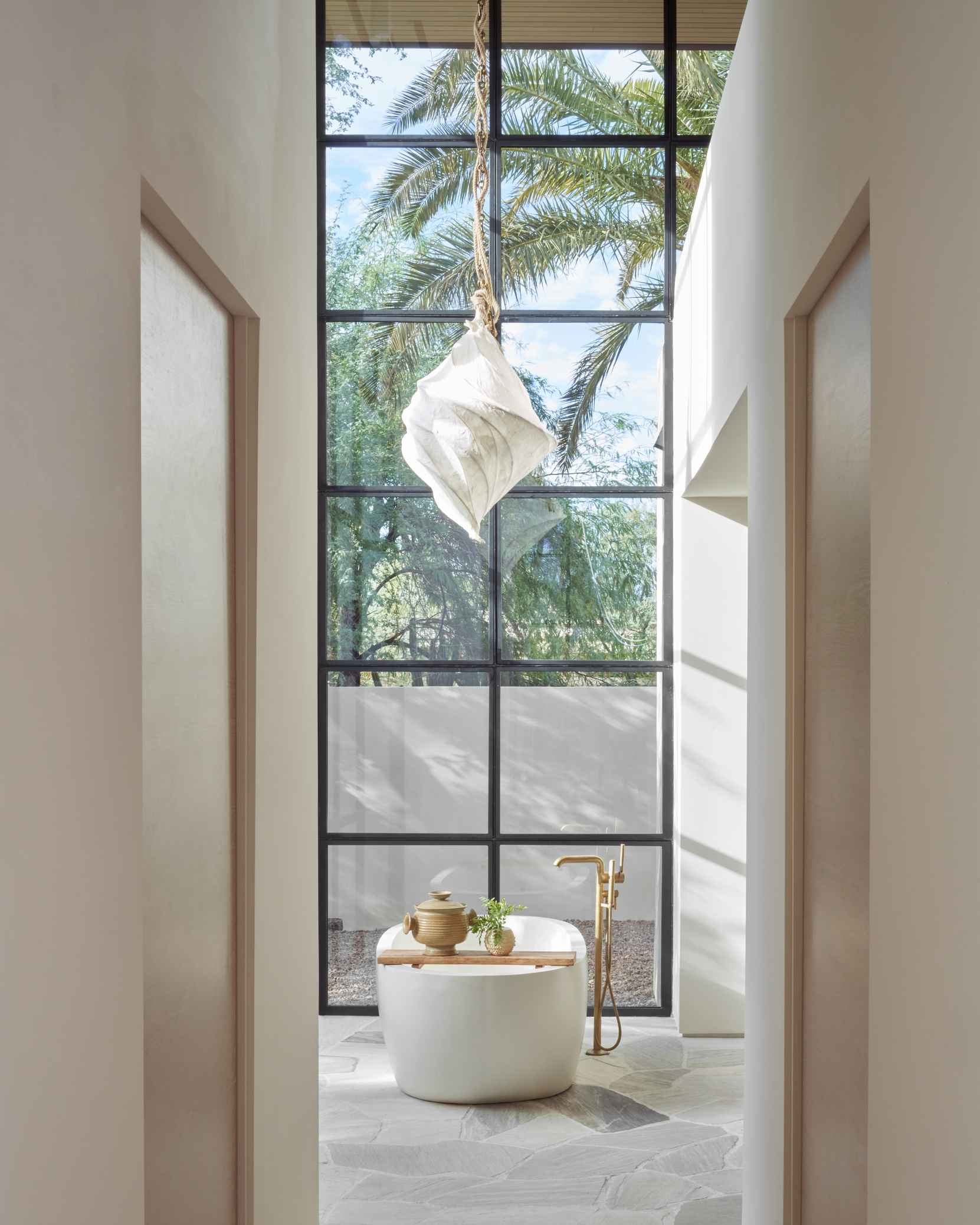
The golden hues of Arizona’s morning light gently move through The Onion Tower, touching flagstone floors to lend warmth and hand-finished walls to imbue character. This is how the day starts in award-winning designer Anita Lang’s own home, where every detail was intentionally curated—from the floor-to-ceiling hand-welded steel windows that frame the desert landscape to the nuanced use of natural palettes and textures that calm the senses—to support how she lives, creates, and resets.
“I’ve always believed that wellness is more than a feature — it’s a feeling,” shares IMI Design founder and creative principal Anita Lang. “It’s how the light shifts through a space, how materials respond to touch, and how the layout supports your daily rhythms without demanding your attention.”
A home should do more than shelter; it should ground, inspire, and nurture well-being at every turn. Intentional design elevates daily living into a truly restorative experience by supporting the body, mind, and spirit.
Designing for Emotional Comfort and Connection
When design honors both connection and restoration, a home transforms into a sanctuary—one that holds life’s most meaningful moments with grace.
Spaces That Invite Togetherness
Whether you plan to entertain guests or spend more quality time with family, thoughtful design can encourage and facilitate life’s most cherished interactions. In our Modern Mediterranean home in Scottsdale, the parents sought a retreat for adults —a space that exuded sophistication while inviting relaxation and decompression. To achieve this, we built a wrap-around paneled bar with a bespoke wine cellar wall as a backdrop, featuring floor-to-ceiling steel metalwork.
This area flows seamlessly into an adjoining lounge, creating a space where guests can transition seamlessly between groups, keeping energy fluid and inclusive. Every element from the European oak floors and layered wall paneling to the asymmetric seating styles and subtle ceiling height changes contributes to a sense of warmth and spatial distinction. This layout, open yet intimate, serves as a foundation for the space’s emotional connection.
The Role of Texture and Touch
Touch is our most primal and enduring sense. As the first sense to develop in the womb, our sense of touch is fundamental to how we perceive comfort, safety, and connection in our environments.1 In design, this means that textures, such as the grounded elegance of leather stone counters or the softness of upholstery, can be leveraged as emotional cues to influence how people feel at home.
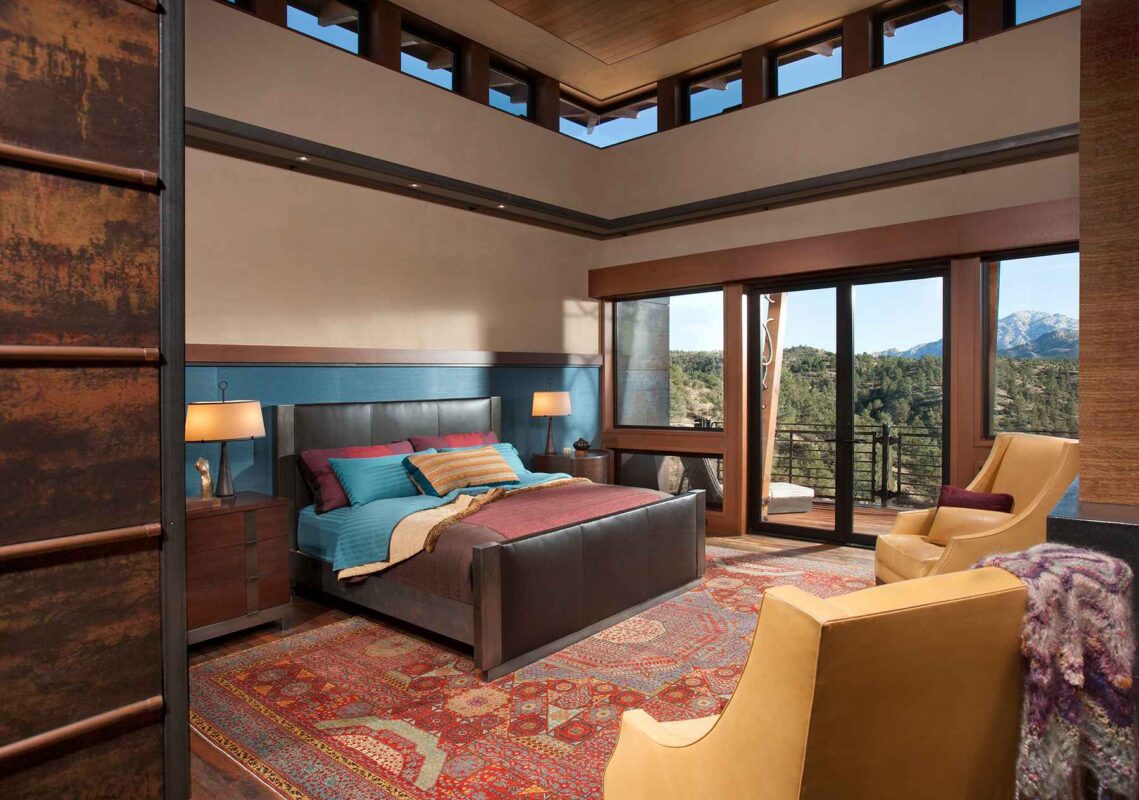
In the Modern Mountain residence we designed in Deer Valley, narrow planked walnut ceilings, chiseled limestone, and soft furnishing accents work in concert to give the great room architectural interest, spatial definition, and cozy luxury interiors befitting a ski retreat.
“Ask yourself how you want people to feel in that space. Is it energized and robust? Is it calming and casual? From there, we can dictate the correct combination of lighting, materiality, line, and form to create a specific mood. It’s all about shaping that experience,” explains Anita.
Biophilic Design: Nature as the Ultimate Luxury
The term biophilia translates literally to “love of life.” Coined by psychologist Erich Fromm and later expanded by biologist Edward O. Wilson, the concept suggests that humans are not just drawn to nature – we’re wired for it 2. At a neurological level, our bodies respond positively to natural elements: sunlight, water, expansive vistas, texture in interior design, and rhythmic, organic patterns.
In an era where staring at screens has become the default backdrop to living, honoring our innate need for nature by creating spaces that are deeply restorative is one of the greatest expressions of luxury.
Inviting the Outdoors In
Biophilic interior design is a holistic approach that integrates natural light, fresh air, and organic forms into the very architecture of spaces in biophilic luxury homes. These natural cues have been found to significantly reduce stress, lower blood pressure, and enhance mental clarity.3 Beyond its physiological benefits, inviting the outdoors in helps foster emotional resilience, helping us feel more grounded, present, and in tune with the rhythms of daily life.
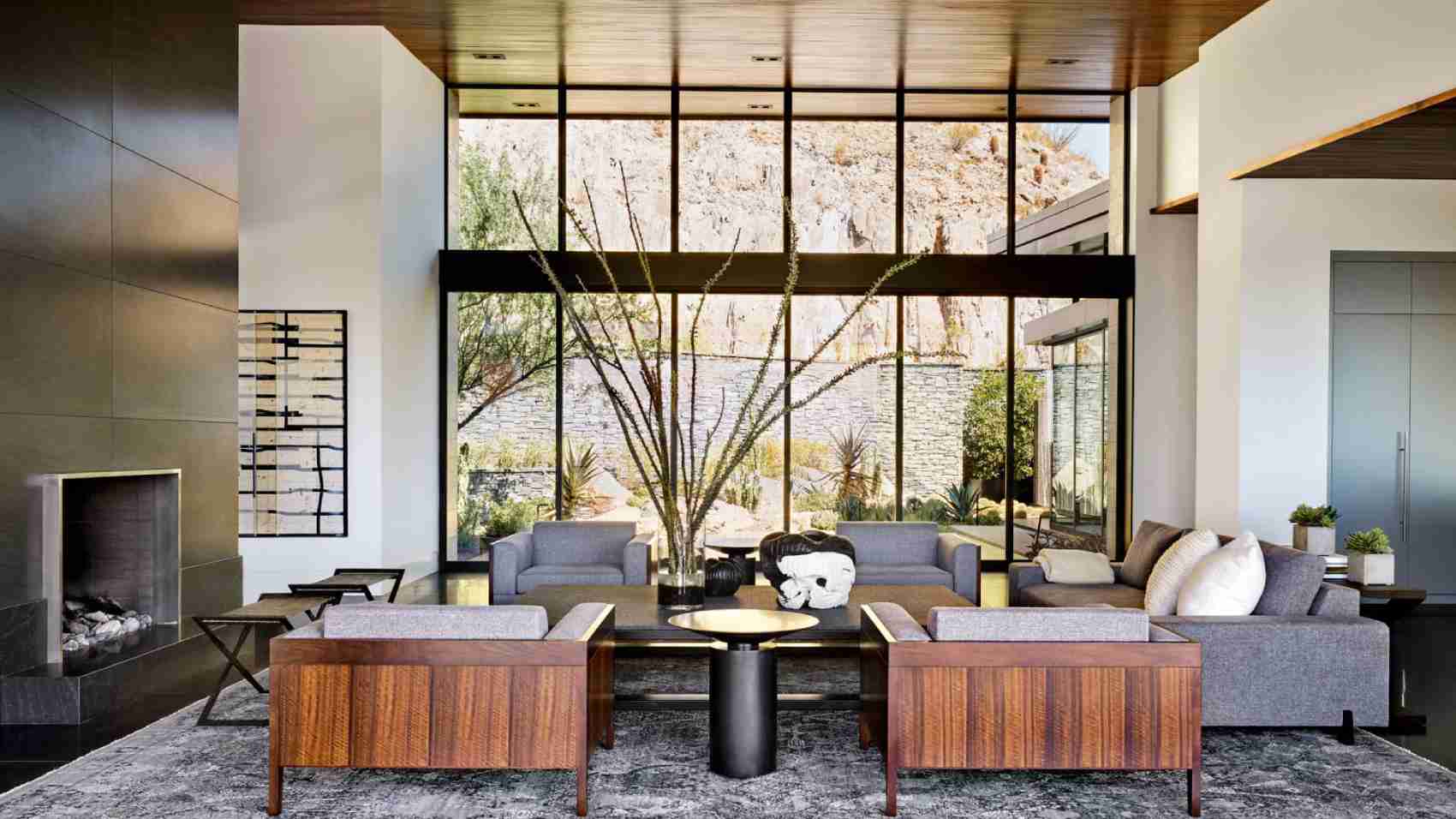
In our Arizona projects, this often translates to honoring the desert vernacular through incorporating rough-hewn natural stone, warm-toned woods that echo the canyon floor, and native flora that blurs the line between garden and living room. This results in a seamless dialogue between indoor and outdoor spaces, where the home itself becomes a living extension of its environment.
Framing Nature Through Design
Design is a powerful lens through which a home frames the outdoors. Large windows, sliding doors, and curated sightlines celebrate views while connecting interior rhythms to the cycles of daylight. Natural light supports circadian health, while thoughtfully positioned openings allow residents to experience the subtle shifts of seasons and weather — the warmth of morning sun, the hush of a winter dusk, the glow of desert skies, even the quiet rustle of desert flora.
At IMI Design, every sightline is deliberate, ensuring that nature’s presence is felt in both grand gestures and the quiet, restorative moments that define true luxury.
The Healing Power of Color
Color is a powerful, vibrational language that speaks directly to our nervous system, shaping our mood before we even consciously register a space. That is why soft, muted tones are often chosen for bedrooms to promote relaxation and restorative sleep, while warm, energizing hues are strategically layered in gathering areas like kitchens or lounges to foster conversation and a sense of vitality.
In wellness-focused interiors, curating the right palette is an essential tool for emotional regulation – capable of signaling deep rest to the body or inspiring vibrant connection among guests.
Curating a Calming Palette
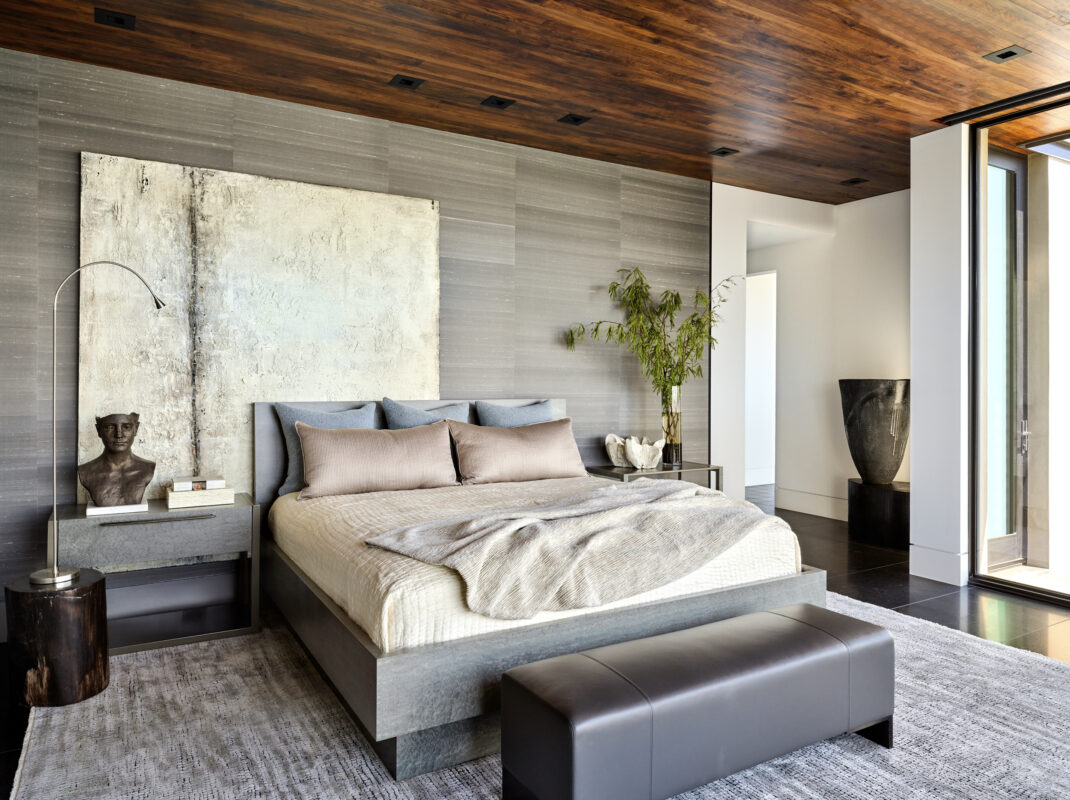
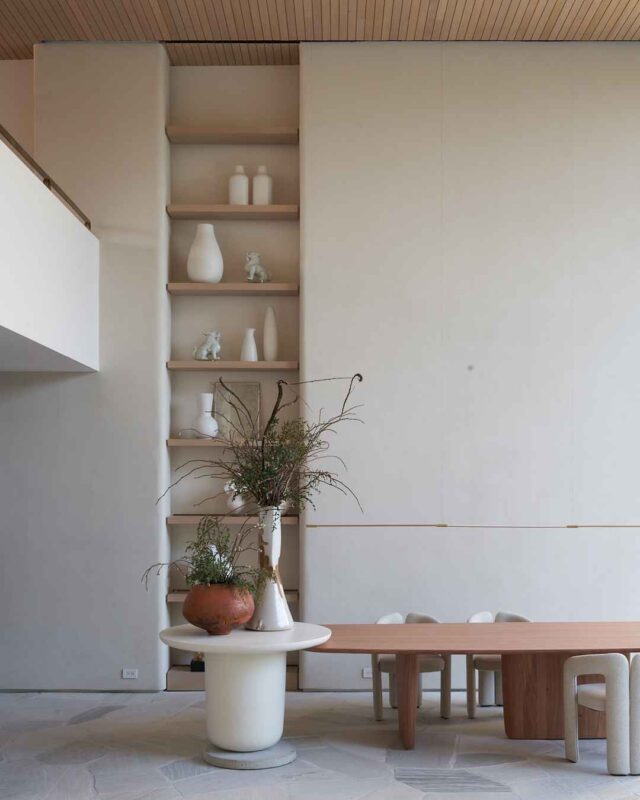
To cultivate serenity, we often look to nature’s own hushed tones – colors that don’t demand attention but rather provide a gentle, stabilizing backdrop for life. Muted, organic hues bypass conscious thought to trigger immediate physiological responses of safety and ease. While modern design often leans on cool grays, luxury home comfort, especially during cooler winter months, requires balance.
To achieve this, we layer these cooler tones with warm neutrals—think taupe, alabaster, or tactile, cashmere-inspired creams—to ensure a space feels enveloping and maintains a seamless emotional flow from room to room.
Integrating Color with Intention
Strategic use of color helps define the intended energy of a room. At IMI Design, we deploy deeper, more saturated hues in communal spaces to ground the energy and encourage lingering conversations, while private zones often remain visually quiet to promote decompression.
Calming color palette suggestions:
- Deep Forest Green or Charcoal: Ideal for lounges, studies, or dining rooms where you want to create a cozy, intimate atmosphere that feels protected.
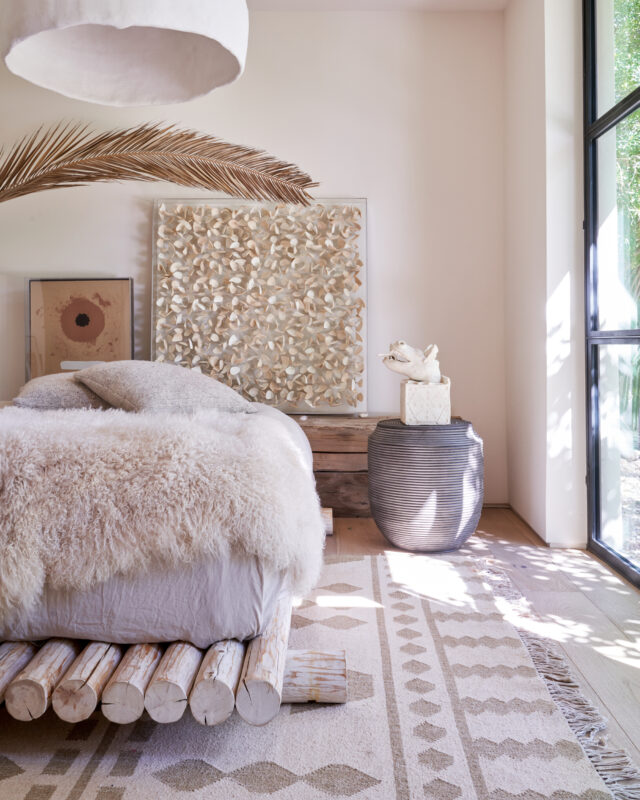
- Warm Ivory and Oatmeal: Best suited for bedrooms and spa baths, these ethereal tones reflect soft light and clear the mind for unrestrained rest.
- Earthy Terracotta or Ochre: Perfect as subtle accents in gathering spaces, offering a grounded warmth that energizes without overstimulating.
Explore our portfolio of modern luxury interior design projects to discover the healing power of color, texture, and light in practice.
Furniture that Supports the Way You Live
At IMI Design, we carefully curate furniture to embody comfort and wellness, naturally supporting how inhabitants move, gather, and rest. .
Function Meets Feeling
We view comfort as a fundamental design principle, where ergonomics and spatial scale are as critical as aesthetic beauty. A room’s layout should effortlessly guide you toward connection or offer a solitary retreat, depending on its intent. This often means creating bespoke pieces tailored not just to the architecture, but also to the specific rhythms of our clients’ lives. These might include a banquette that encourages shared meals and spirited dialogue, or a club chair designed for evening reflection.
Anchoring the Room
Furniture can also act as the architectural anchor of a room, defining its flow and focus. A substantial, well-placed sectional can ground a cavernous great room, transforming it into an intimate gathering spot for winter evenings. In our Deer Valley project, the dinette was envisioned as a coffee nook with lounge seating and a built-in bar overlooking the slopes. We also added modern swivel chairs and an organic ottoman, allowing the family to soak in the views in between conversations.
By carefully balancing symmetry with organic flow and ensuring proportions are in harmony with the room’s scale, we create spaces that feel settled and secure, allowing our clients to fully relax into their surroundings.
The Wellness Home Mindset
Designing for comfort and wellness in modern homes requires redefining luxury – pivoting from showcasing opulence toward intentional well-being. This is a mindset shift that values spaces that nurture over those designed to impress others. This results in homes that elevate routine into exercises of rejuvenation, like a perfectly lit kitchen corner for morning meditation, a primary bath laid out to encourage a slow evening soak, or introducing grounding scents, like cedar or lavender, to subtly shift a room’s energy.
By designing for these specific, deeply personal moments, we create homes with emotional resonance, where even the simplest acts feel supported and significant.
“When every square inch is designed with the intention to support its inhabitants’ well-being, the home becomes an active participant in the pursuit of health and happiness.”
Living Proof of Design That Heals
For one client navigating the challenges of declining health, we were tasked with designing a home that would serve as an active partner in improving her well-being. Inspired by the serene resilience of the Sonoran Desert, we ensured that the client was cradled in a palette of sunbaked earth, warm woods, and soft sand to foster a deep sense of peace – a space where she can thrive.
More importantly, we integrated layered lighting for the aging eyes, zero-threshold showers to enhance accessibility and safety, and wide, unobstructed pathways to ensure every interaction with the home is rooted in dignity, comfort, and ease.
For a couple transitioning into a new phase of life, we introduced biophilic principles to their desert estate, including wide openings to the landscape, organic forms, and a palette fully inspired by the surrounding environment.
“The feedback I received wasn’t just about how beautiful the home was, but how supported they felt living in it,” shares Anita. “That, to me, is the highest compliment.”
Design That Feels Like Home
Ultimately, the most luxurious homes are not just seen; they are felt. They move beyond mere aesthetics to become profound sources of belonging and respite. Whether achieved through the quiet alchemy of light and shadow, the grounding presence of natural stone, or the intuitive flow between rooms designed specifically for your rhythms, true luxury is found in not just the visual, but the visceral.
As we settle into this season of introspection, we invite you to pause and reflect: How does your home hold you? Does it offer a sanctuary for restoration and a stage for connection? If not, perhaps it is time to reimagine not just how your home looks, but how it lives—and how it can better support the life you intend to live within it.
Contact us today to schedule a consultation with one of the best interior designers in Phoenix, and discover how intentional design transforms a house into a living partner in your wellbeing.
FAQs
- What are the best colors for creating a calming space?
To cultivate serenity, look to nature’s hushed tones—muted greens, warm earthy neutrals like taupe or alabaster, and soft creams. These organic hues bypass conscious thought to trigger immediate physiological responses of safety and ease. Unlike stark whites or overly cool grays, these layered, warm neutrals envelop a room, creating a stabilizing backdrop for deep restful sleep.
- How can natural light influence mood and energy?
Natural light is a vital regulator of our circadian rhythms, directly influencing our daily energy levels and sleep quality. Exposure to shifting daylight, from the energizing brightness of morning to the golden, calming hues of dusk, anchors us in time and nature’s cycles. This continuous connection to the outdoors has been proven to significantly reduce stress, enhance mental clarity, and foster emotional resilience.
- What furnishings promote togetherness at home?
Furnishings that foster connection are those intentionally scaled and arranged to invite interaction, such as generous sectionals that anchor a great room or circular dining tables that ensure every guest is seen. We also favor versatile pieces, like modern swivel chairs, which allow inhabitants to pivot seamlessly between intimate conversations and shared scenic views. Ultimately, the layout should maintain a fluid energy, removing any physical barriers to engagement.
References:
- Catherine Caruso, Harvard Medical School (June 11, 2024). Exploring Our Sense of Touch from Every Angle
- Frontiers (July 21, 2021). Biophilia as Evolutionary Adaptation: An Onto- and Phylogenetic Framework for Biophilic Design
- Browning, W., & Determan, J. (2024). Outcomes of Biophilic Design for Schools. Architectureology and Philosophy