

Key Takeaways
- True luxury design is about creating meaning, not excess—spaces that reflect who you are becoming.
- Your home can be a sanctuary for stillness, self-reflection, and emotional renewal.
- Intentional design choices foster connection, presence, and self-care.
- The New Year is the perfect moment to align your home with your inner growth.
- Luxury home wellness blends beauty, balance, and mindfulness into every detail.
A New Year, A Sacred Reset
A new year on the horizon tends to bring frantic energy, a societal pressure to reinvent, to improve, to fix. We’re inundated with cliches along the lines of “New Year, New You,” suggesting that our current selves are somehow insufficient. However, a sacred reset doesn’t always require change. Sometimes, it’s about ensuring the world around you resonates with the person you’ve already become.
When your external environment lags behind your internal growth, a subtle dissonance arises. Spaces that once felt comforting may now feel confining; layouts that once served you may now impede your flow. “Before setting goals, we first need stillness—a space that allows us to breathe, reflect, and reconnect to what truly matters,” says IMI Design founder, creative principal, and one of the most sought-after Phoenix interior designers, Anita Lang.
The path to personal growth is a profoundly transformative journey. Intentional design is an invaluable tool for creating spaces that support this unfolding.
Beyond Aesthetic Beauty – The Soul of Design
In the realm of luxury interiors, visual perfection is the expected baseline. Yet, we’ve all walked into spaces that, while undeniably aesthetic, feel innately cold. In contrast, we’ve also felt a soulful room with a powerful, energetic footprint – one that inspires and restores.
“Every piece I select or design elevates the client’s energy, their lifestyle, and overall essence. It’s not about filling a room; it’s about curating an experience. I ask myself, Does this piece have a voice? Does it sing in harmony with everything else? When it does, the space resonates on an emotional level – it becomes artful, alive, and deeply personal.” – Anita Lang.
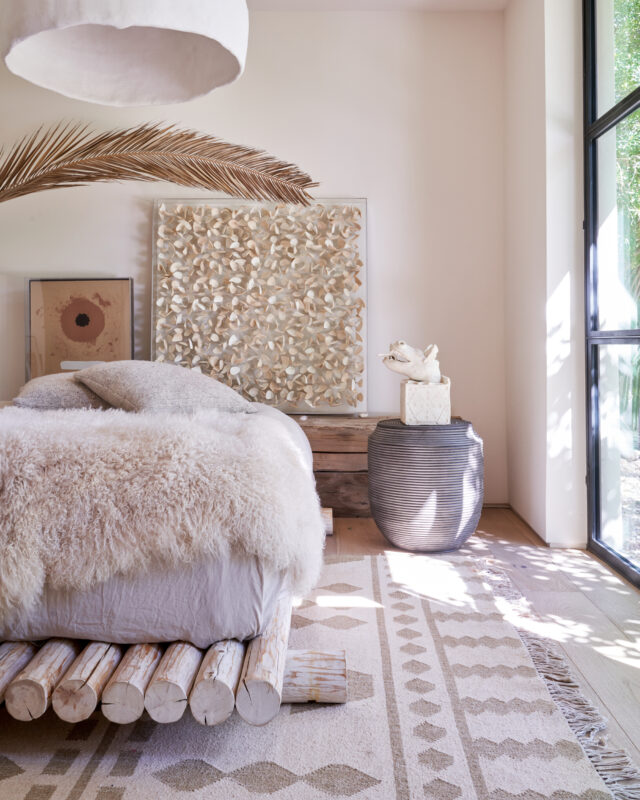
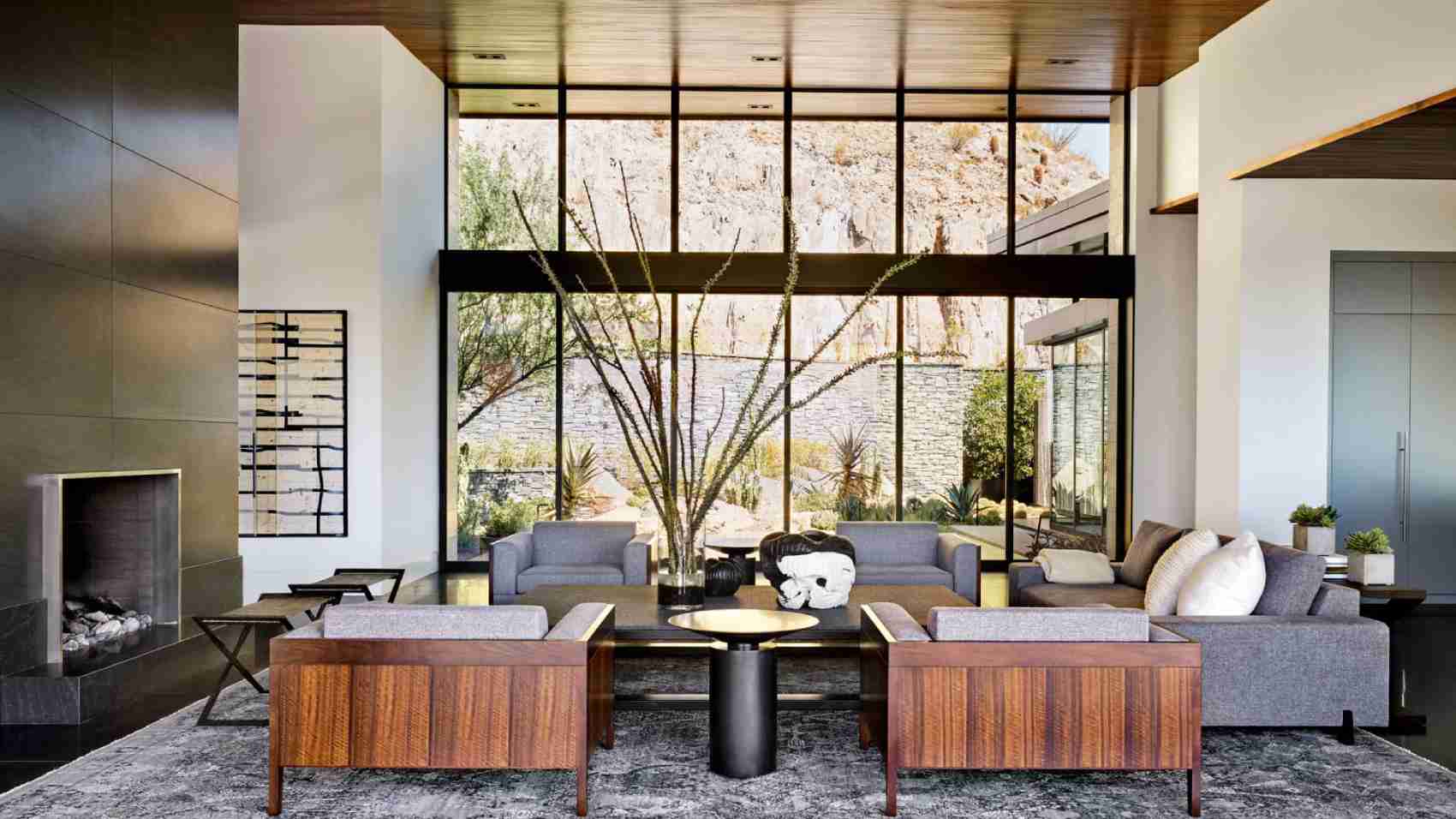
Anita likes to weave this resonance into the tactile honesty of natural materials—raw woods, textural stones, rich metals, and artisanal textiles—textures in interior design that ground us. It lives in the intuitive flow of a floor plan, allowing the mind to either freely create or rest. “I also lean into contrast, but with intention — sculptural shapes against soft textures, earthy tones paired with bold accents. My style is rooted in soulful minimalism: clean lines that leave space for the spirit, with enough layers to tell a story,” – Anita Lang.
As cognitive neuroscientist and psychologist Colin Ellard reminds us, places are not passive backdrops. They shape our emotions, our sense of belonging, and even our physiology 1.
The Home as an Extension of Self
Beyond aesthetics, what makes modern interior design important? If our environments shape our physiology, as Ellard suggests, then the ultimate act of self-care is ensuring that the spaces we inhabit reflect and support who we are. Just as we invest in wellness routines or personal growth, we should invest in the environments that support those shifts. Because when curated with intention, they hold space for healing, inspiration, and transformation.
At IMI Design, this begins by asking clients the question: What does your best life look like? “If you value connection, we design spaces that subtly turn people toward one another, removing the distractions that block intimacy. If you value stillness, we carve out sanctuaries of silence where the noise of the world falls away,” – Anita Lang
The goal is to create environments that don’t just validate who you are, but hold space for who you are becoming, for your next stage of life’s aspirations.
Creating Spaces for Stillness and Renewal
In recent years, we’ve seen modern luxury increasingly shift away from excess and opulence, and toward cultivating more meaning and emotional resonance—moving from conspicuous consumption to conscious curation.
With a focus on conscious curation, Anita sourced an old stone sink from an Italian farmhouse to anchor the client’s entire bathroom experience. The same rings true for a Paradise Valley residence, where a custom-designed floating console made of hand-forged bronze and blackened walnut marries art and function.
“Both pieces had presence. They told a story of time, place, and craftsmanship. They belonged, not just to the room, but to the people living in it,” – Anita Lang.
However, curating soulful interiors requires more than just an aesthetic eye. “Intuition is everything. I walk into a space and listen to the architecture, the light, the energy,” Anita explains. “A piece might be exquisite on its own, but if it doesn’t evoke the emotion the space is meant to carry—whether that’s serenity, sensuality, or inspiration—then it doesn’t belong.”
At IMI Design, the art of soulful luxury strikes a balance between pieces that awe and details that ground us in comfort. When you’re able to achieve that balance, you create spaces that don’t just evoke luxury but also nurture the souls of those who dwell in them.
The Art of Soulful Luxury
In a hyper-connected world where doing more is often confused with success and quality of life, stillness has become an increasingly elusive luxury 2. We are constantly “on” – responding, reacting, and producing. This makes it easy to forget that before we can move towards our highest selves, we must first have the capacity to pause and listen.
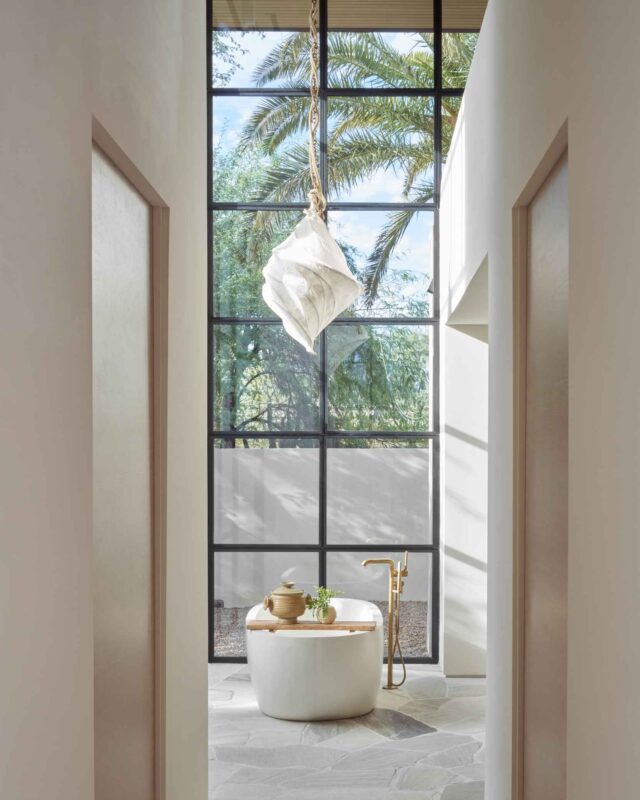
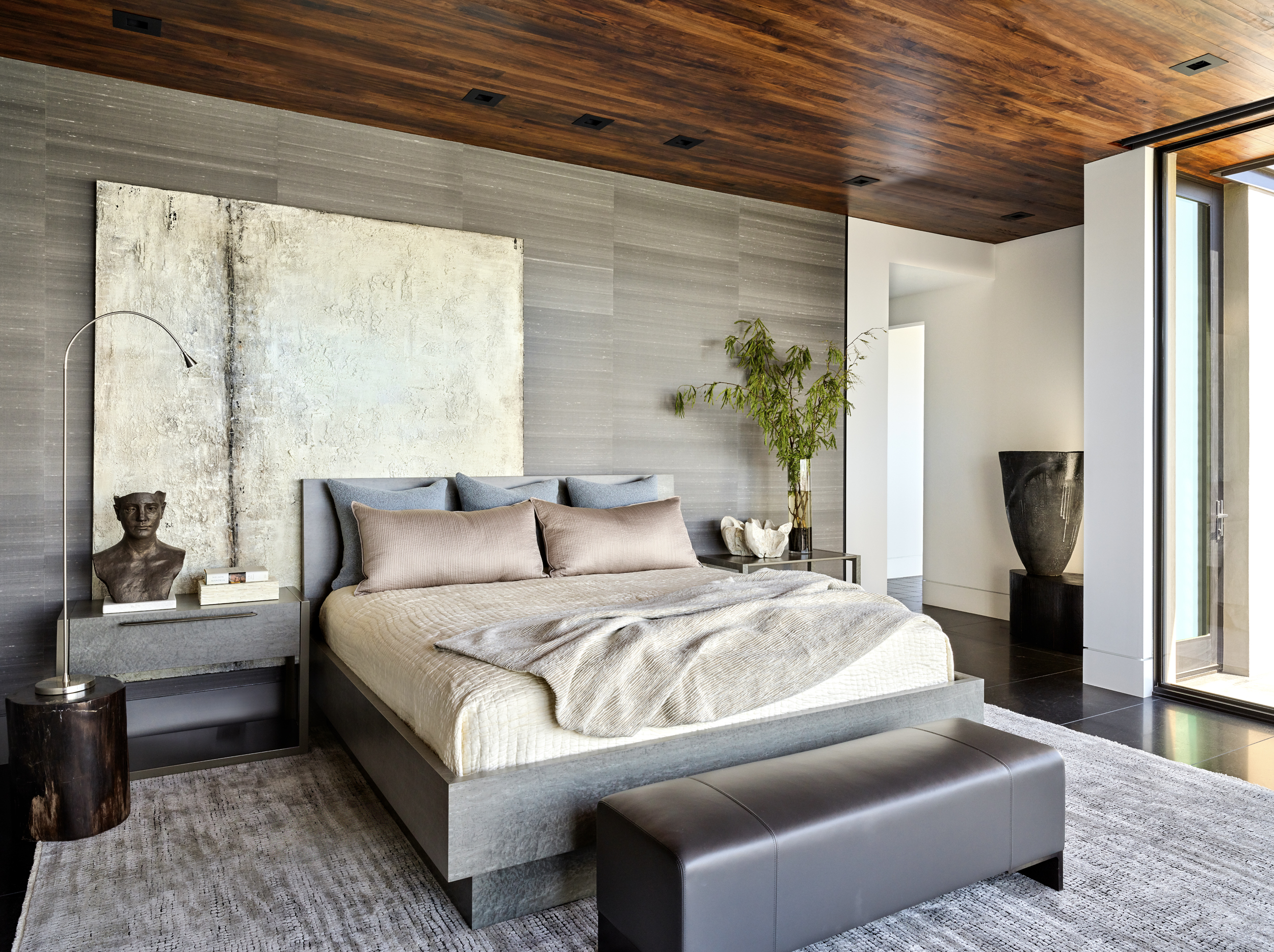
At our design studio IMI, we facilitate this through intentional zoning—carving out spaces specifically designed for decompression. These spaces may look like a primary suite that functions as a self-contained retreat, devoid of technology and visual clutter. It could be a spa-inspired bathroom where the interplay of water, steam, and stone creates a sensory ritual of washing away the day. Or perhaps a quiet corner by a window, framed by light, that invites a moment of unagenda-ed reflection.
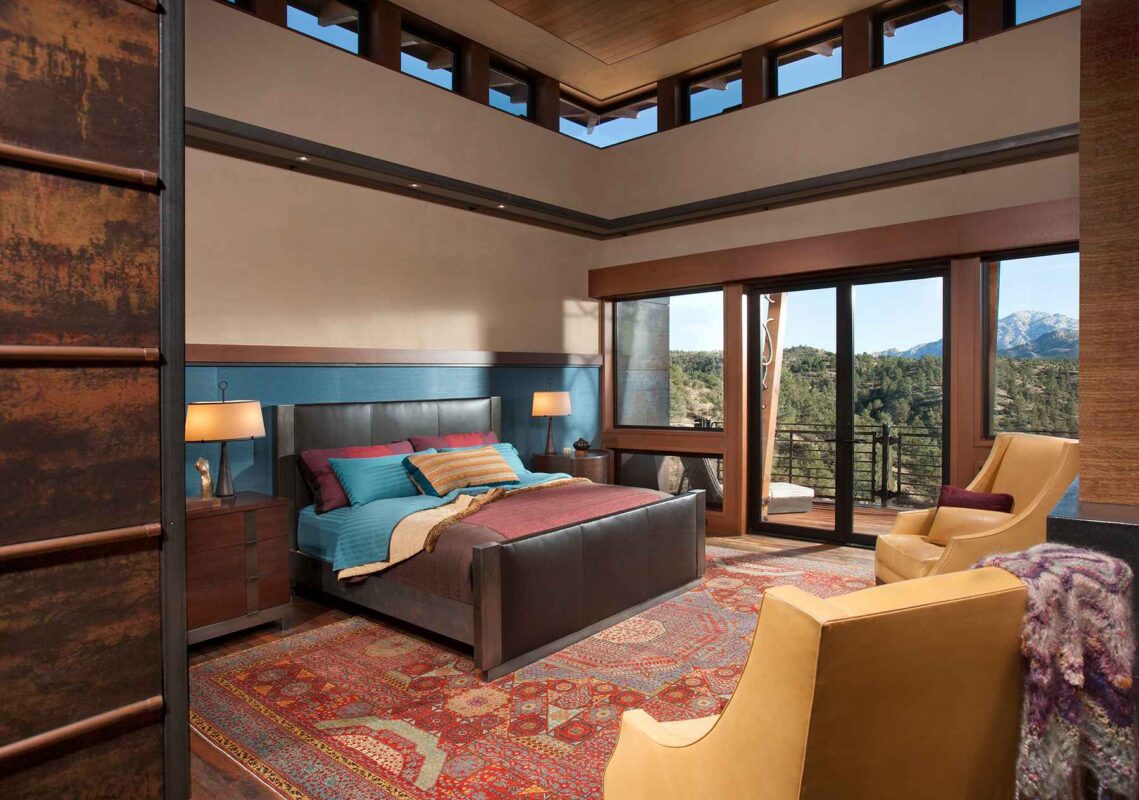
This approach was pivotal in designing a mountain home for a client entering a new chapter of life, one of rebuilding and rediscovery after divorce. We created a space that honored solitude and joy equally, utilizing biophilic elements like live-edge wood, soft linen, and flowing air and light to ground the space. The art was specifically curated to reflect rebirth and resilience.
“She told me that the house gave her back to herself. Those kinds of heartfelt feedback are powerful reminders of why I do what I do.” – Anita Lang.
Designing Wellness Into Everyday Living
We believe wellness is something you live with every day, not something you chase or add on later. It’s felt in the way a home supports your routines, your energy, and your sense of ease—often through choices that are quiet, thoughtful, and deeply intentional. Because wellness looks different for each person, our role is to listen carefully and design environments that gently support how you want to live, using subtle elements that make a meaningful difference over time.
There are practical methodologies available to us right now to bring wellness into our lives in a very tangible way. In many, if not most, of our projects, we are incorporating at least a couple of the following…
Below is a list of some of the most up-to-date wellness systems we see having the greatest impact for our clients.
Cold Plunges & Hydrotherapy
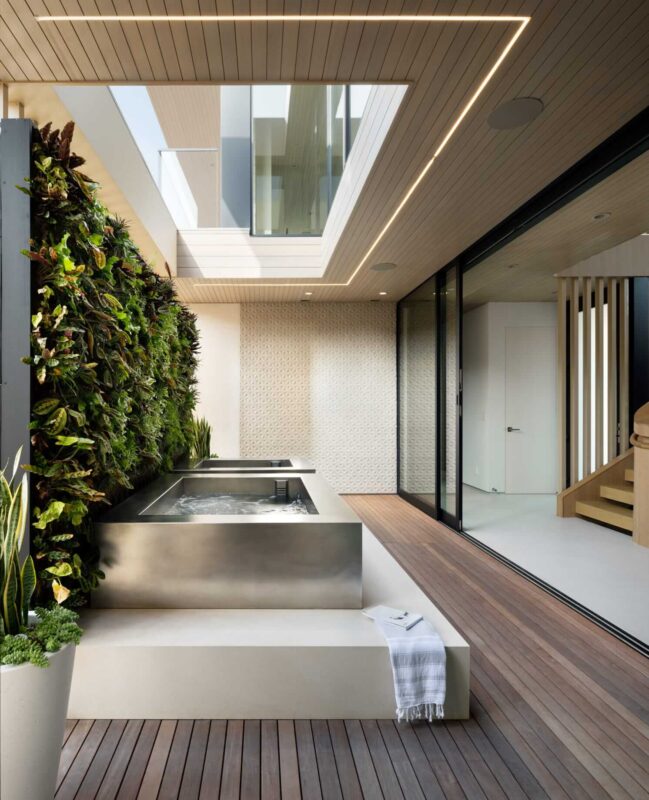
Cold plunges offer a powerful reset for the nervous system. When integrated thoughtfully—framed by natural materials, quiet light, or views to nature—they become a daily ritual of clarity and resilience.
Home Gyms That Inspire Movement
A home gym should feel like a sanctuary, not a warehouse. Warm woods, curated art, natural light, and intuitive flow turn movement into something you look forward to, not just check off a list.
Red Light Therapy & Infrared Saunas
These features bring restoration directly into the home. When paired with cedar, stone, or soft textures, they create calming retreats that support detoxification, recovery, and deep relaxation.
Material Health & Natural Elements
Wellness also lives in the unseen. We prioritize low-off-gassing materials, pure finishes, and natural textiles because they support cleaner air and a calmer nervous system. Add biophilic elements—plants, organic textures, and intentional light—and the home begins to “breathe” with you.
Designing for Longevity + Ritual
More clients are embracing longevity practices like peptides, red light, and at-home recovery therapies. We design spaces that make these rituals seamless—calming, private areas where health and beauty meet intention.
When your home actively supports your well-being, renewal becomes part of your daily rhythm. This is soulful luxury at its core: environments that restore you, inspire you, and help you step into the season ahead with clarity and ease.
Intentional Living in the New Year
As the year comes to a close, we invite you to pause and reflect on what renewal means for you. Does it require embracing a slower pace? Does it involve setting more boundaries? Does it entail stretching the limits of what’s possible?
We believe that aligning your home with your internal growth is one of the most profound gifts you can give yourself. We would be honored to partner with you in translating your vision into a sanctuary that breathes, inspires, and welcomes you home to yourself. You are worth it, and you are enough.
FAQs
- What does luxury home wellness mean?
Luxury home wellness is the art of weaving health and mindfulness into every corner of your space. It begins with lighting that honors your natural rhythms and continues with colors and textures chosen for the way they make you feel—settled, centered, and instinctively at ease.
It is about creating a sanctuary where everyday living feels rejuvenating, elevating the quality of life through thoughtful, holistic design.
- How does design influence emotional well-being?
Our physical environments act as silent cues for our internal states, directly influencing our stress levels, focus, and mood. Elements such as natural light, unobstructed flow, and biophilic design (connection to nature) promote lower cortisol levels and foster a sense of safety.
- What are small changes that create a sense of calm at home?
Begin by embracing the “luxury of subtraction,” removing visual clutter to allow the eye and mind to rest. Introduce organic elements, such as live plants or natural stone textures, to ground the space, and layer your lighting to offer softer, warmer options for evening wind-downs. Even dedicating a single, technology-free corner for quiet reflection can significantly alter the energetic footprint of a room.
- How can I begin creating intentional spaces for self-care?
Start by identifying the feeling you wish to cultivate—whether that is stillness, creativity, or connection—and designate a specific zone that supports only that intention. Remove any items from that area that contradict your goal (such as removing a television from a space meant for meditation) and anchor the space with sensory details like tactile textiles or meaningful art.
References:
- Collin Ellard (2015). Places of the Heart: The Psychogeography of Everyday Life
- Science News Today (August 23, 2025). The Science of Silence: How Quiet Changes the Brain