

Key Takeaways
- Legacy design blends craftsmanship, emotional resonance, and functionality to outlast trends.
- Timeless interiors prioritize balance, proportion, and authenticity over fleeting aesthetics.
- Material choice, storytelling, and customization create a sense of permanence.
- IMI Design’s approach focuses on innovation with classic principles to ensure enduring spaces.
- Legacy design is as much about values as visuals — creating meaning that lasts generations.
What Does It Mean to Leave a Legacy in Design?
When IMI Design founder and creative principal, Anita Lang, returned to a Prescott residence—15 years after she first designed it—she was moved by how gracefully the home had lived, embodying how thoughtful design endures. The English oak cabinetry still displayed its rich, intricate grain. The mosaic wall of reclaimed millwork now held family mementos: baby shoes, travel keepsakes, holiday trinkets. The home had evolved, yet its essence was unchanged – a living backdrop to a family’s unfolding story.
For Anita, that moment captured what it means to create a legacy in design. Legacy design is not about capturing a moment in style, but creating spaces that transcend it.
“In my 25 years of crafting deeply personal spaces for clients, I found that design endures when it’s inspired by the vernacular and its inhabitants’ unique personalities. That’s what we achieved in the Prescott residential project. And it was truly fulfilling to see how the home had both endured and evolved.”
At IMI Design, this philosophy guides every project. We craft spaces with intention and authenticity, through materials that age gracefully, compositions that honor context, and spaces that reflect the people who live within them.
The Essence of Timeless Interiors
Timeless interiors are born from intention – a profound understanding of, not just how a space looks, but how it feels and how it will continue to live over time. Crafting timeless interiors begins long before materials are chosen or furnishings are installed; it starts with a conversation about meaning, connection, and the lives that will unfold within the walls.
Beyond Trends: The Emotional Core of Longevity
“For a space to endure, the design elements must contribute to the overarching narrative of its inhabitants,” says Anita. “That’s why I believe listening is a critical skill for designers – to be able to draw out what is authentic and enduring in our clients’ stories, values, and rhythms.”
This emotional connection gives design its timelessness. Finishes may age, palettes may shift, but a space grounded in personal story never loses relevance. This profound intentionality is woven into the fabric of IMI’s design philosophy. We believe timelessness begins with intent, not with style sensibilities or aesthetic preferences—and the designer’s ability to distill the essence of life into form, texture, and light. When that happens, a space doesn’t just stand the test of time; it deepens with it.
Proportion, Balance, and Harmony — The Design Constants
The human brain is instinctively wired to seek equilibrium – a trait rooted in our neurological need for predictability and our evolutionary drive to identify safe and stable environments 1. This is why the human eye tends to find beauty in balance. In design, proportion, symmetry, and harmony give timeless interiors their sense of calm and permanence. These principles form the underlying architecture of enduring design—where every line, volume, and void works in concert to create visual and emotional equilibrium.
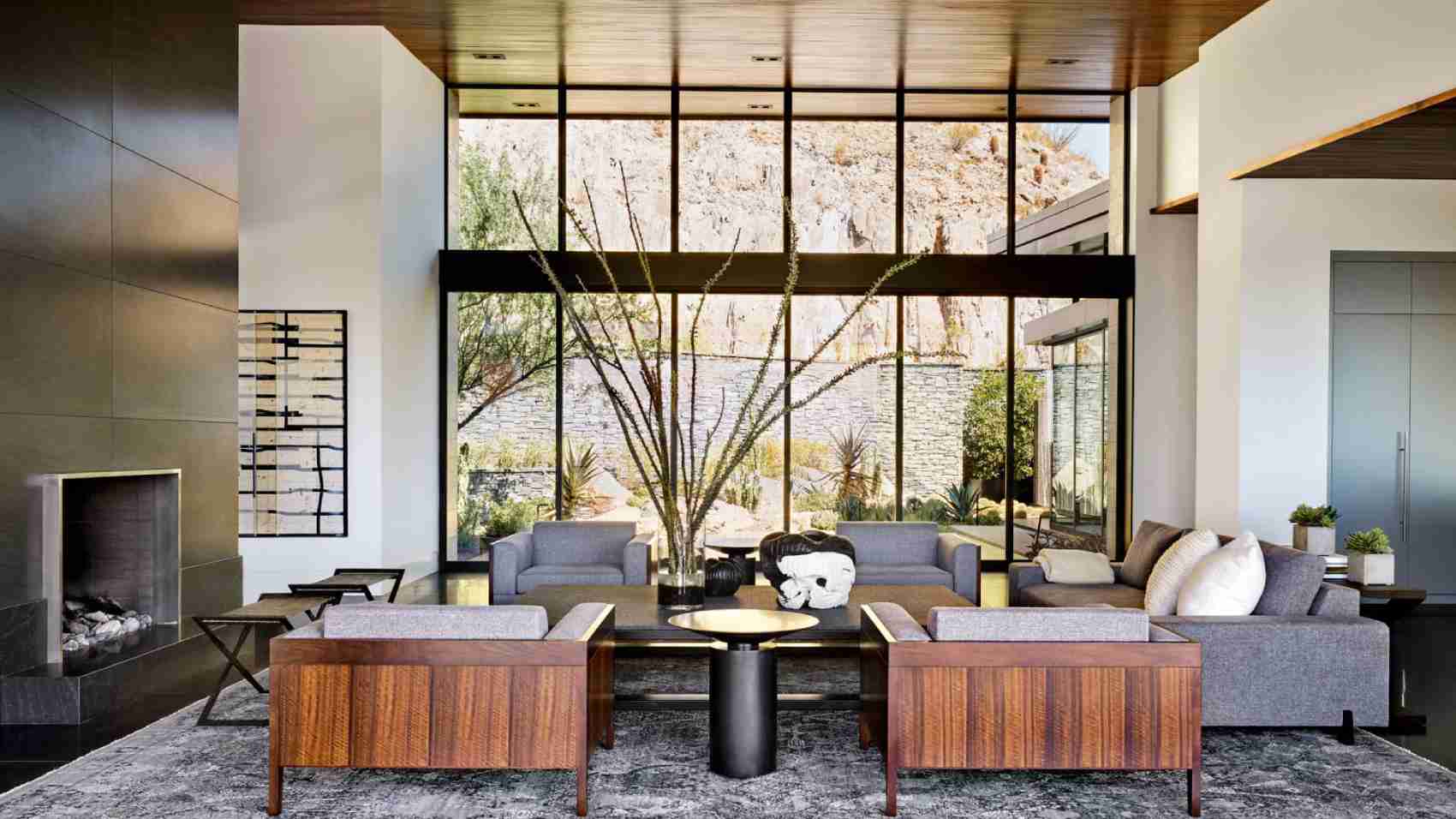
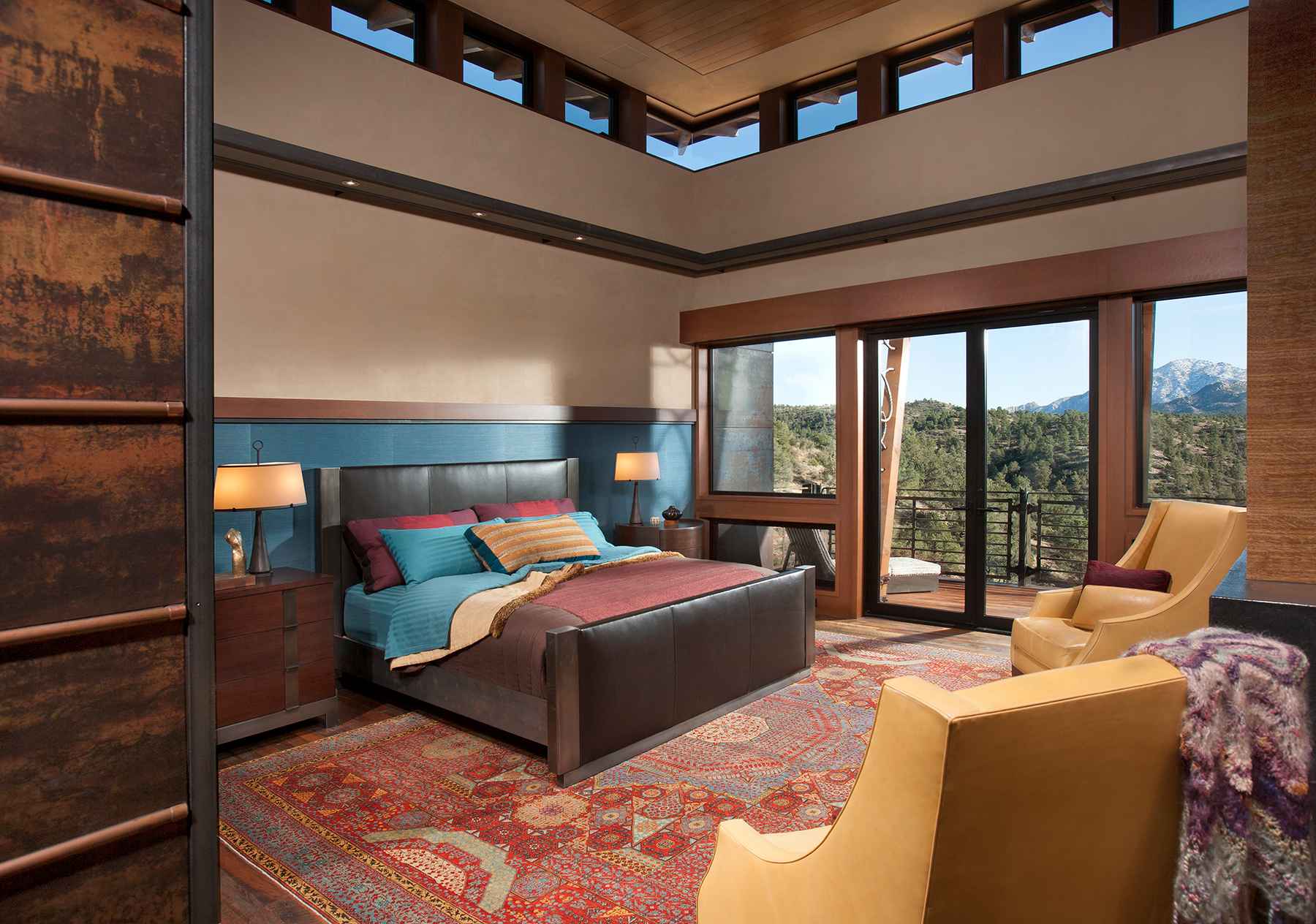
In one of our residential projects in Scottsdale, the interplay between soaring ceilings and grounded natural materials creates a spatial rhythm that feels expansive yet intimate. Here, the design becomes one with its surroundings: volume and structure echo the desert sky and rockscape beyond the windows, while the warmth of timber and stone anchors the home to the land.
Materials That Stand the Test of Time
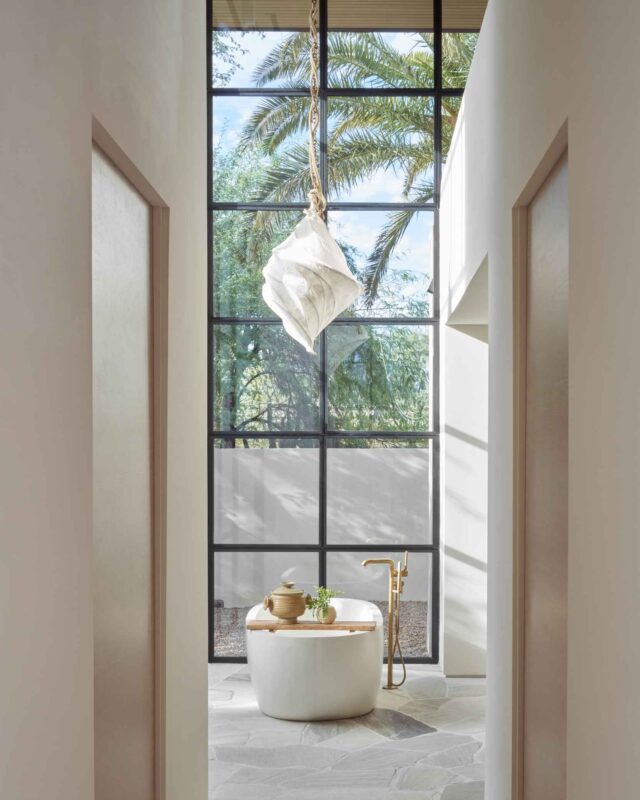
Materials that stand the test of time give spaces a distinct character. The touch of stone worn smooth through the years, the soft sheen of aged brass, the shifting tones of natural wood – these details lend a space an aesthetic, lived-in character. These materials evolve as they age, deepening a space’s story with every passing year.
The Power of Authenticity in Materiality
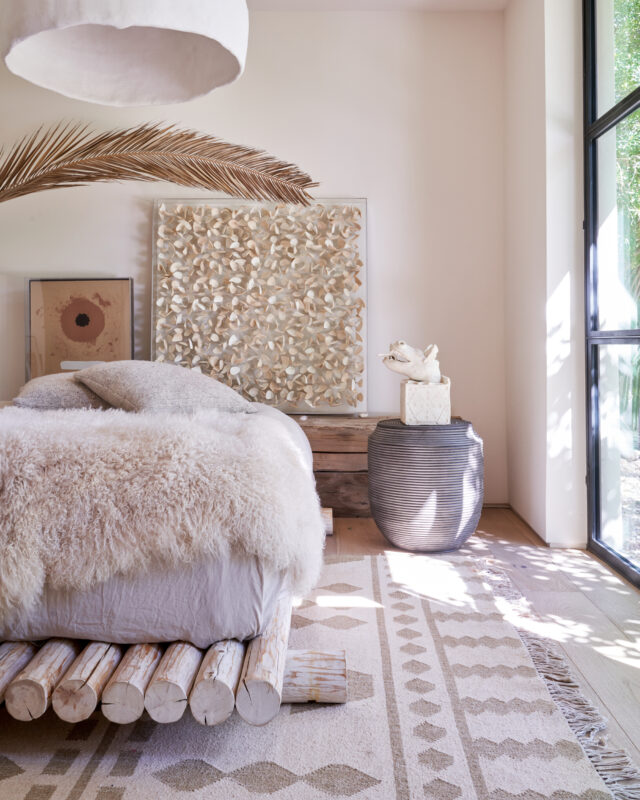
When you explore the IMI Design portfolio, you’ll see how we let materials speak for themselves—their natural character, texture, and story. We celebrate elements that are true to their place, where regional identity and architectural heritage quietly guide the design. This connection to vernacular grounds inspires our design work, honoring origin, context, and craft. Whether it’s a hand-hewn beam or a raw linen curtain, we look for elements that can inhabit a space, singing to your senses, whispering stories of craftsmanship and their connection to the earth.
Architects like Wang Shu and Kengo Kuma have built entire practices around this ethos, emphasizing how materials shape not just form, but atmosphere and memory 2, 3. Their work reminds us that true luxury isn’t about polish, it’s about presence. And presence begins with authenticity.
Case Study — IMI’s Approach to Material Selection
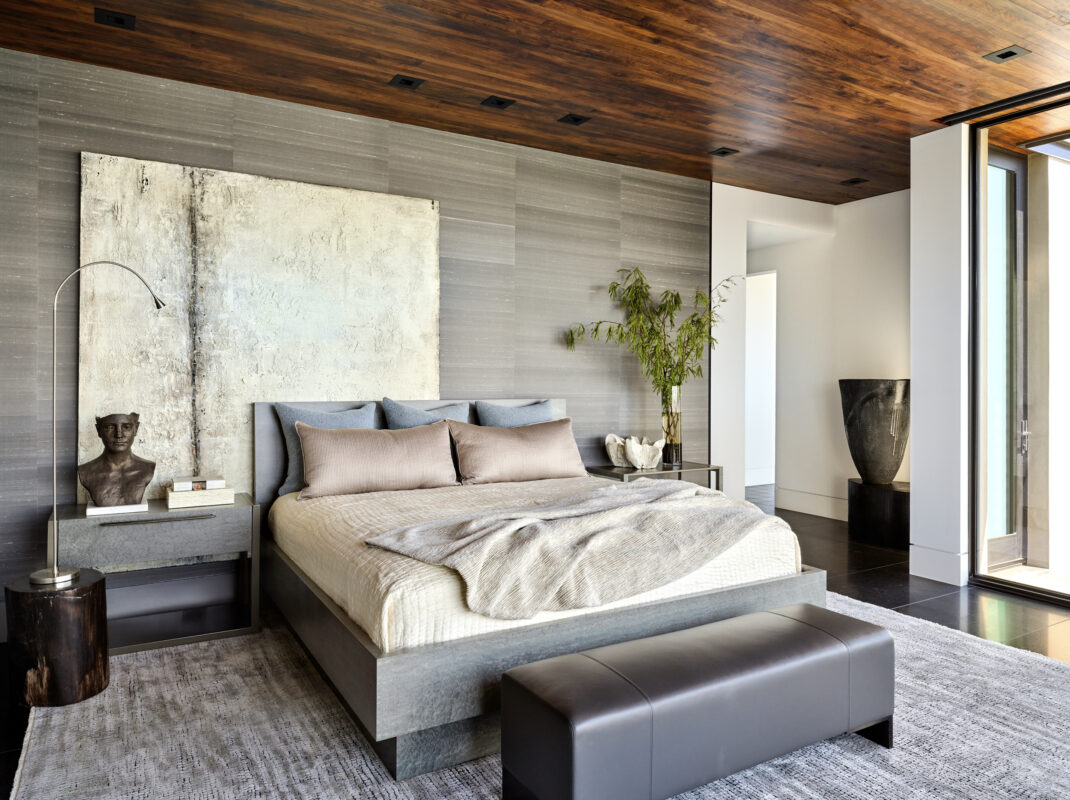
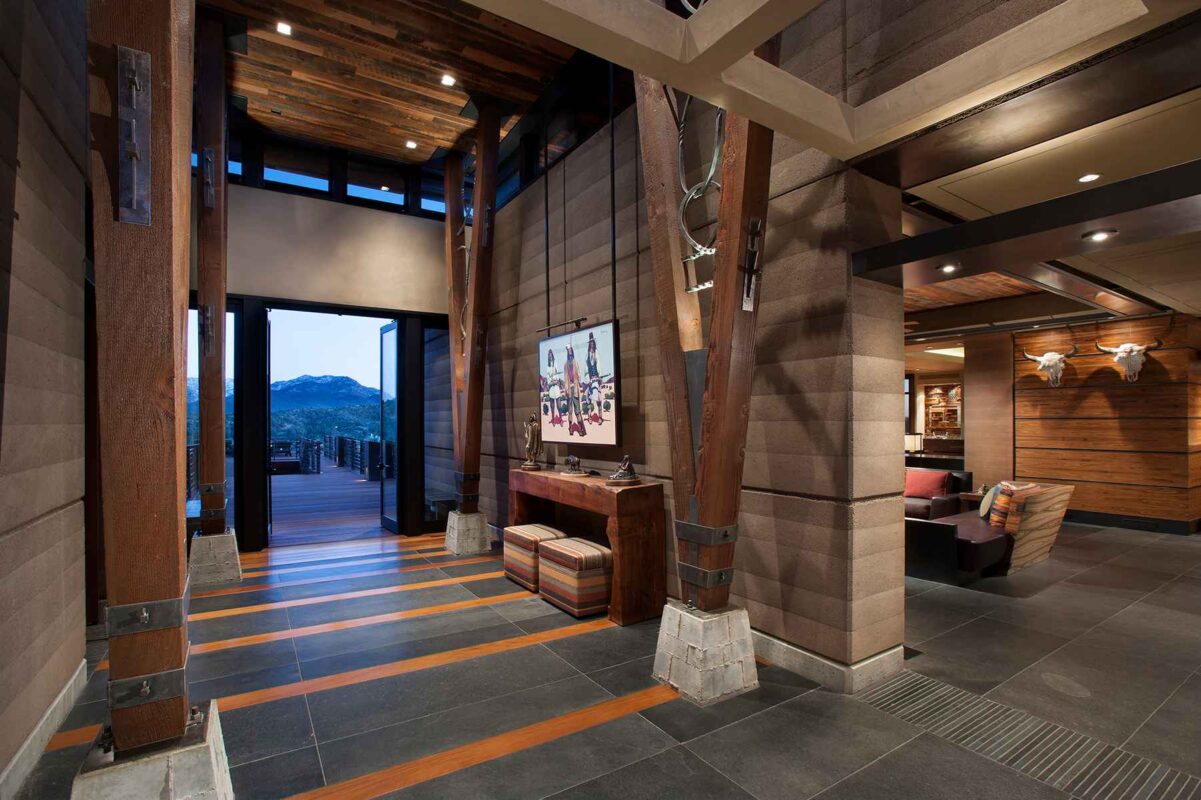
In our Modern Desert residence, organic stone and warm walnut form the foundation of the home’s palette, grounding its contemporary lines within the desert landscape. Each material was selected for its tactile richness and the way it responds to light, touch, and time. Hand-finished plaster walls bring a subtle movement to the interiors, while custom metalwork adds depth through craftsmanship that feels both modern and time-honored.
In this home, we used materiality as an expression of permanence. The result is not just a visual statement, but an enduring dialogue between craftsmanship, environment, and the quiet poetry of timelessness.
Designing for Function, Not Fashion
Functionality is the foundation upon which enduring interiors are built. When you design for function, it ensures every element of a space serves a purpose, supporting how people move, work, and live within it.
“I’ve found that great design tends to reveal itself in the details that make living effortless: the flow between rooms, an integrated storage solution, or even a perfectly placed light switch can contribute to an intuitive experience.” -Anita Lang
Flexible layouts allow spaces to evolve with their inhabitants. This could come in the form of open plans that welcome multigenerational living, adaptable rooms that shift from workspace to retreat, or integrated systems that bring intuitive comfort through technology. This results in timeless living spaces, expanding and adapting as those within them evolve and grow.
Craftsmanship, Customization, and Cultural Resonance
In our world, where mass production has led to the prevalence of homogenized design, craftsmanship stands as one of the last true expressions of timelessness. A hand-carved mantel, a tailored banquette, or a custom textile created for a specific light and mood – these are the marks of a space crafted to resonate across generations. Bespoke craftsmanship can give a space its soul, turning design elements into something you can feel.
At IMI Design, we view customization as an integral part of a project’s legacy. Each commission is an opportunity to create a feeling that doesn’t exist anywhere else – pieces that reflect the individuality of the homeowner and the spirit of a place. Whether it’s a custom console that mirrors the horizon line of a desert view or a sculptural light fixture inspired by the rhythm of water, these bespoke elements carry emotional and cultural resonance far beyond aesthetic value.
In several of our projects, clients’ personal collections of art, heirloom furnishings, and travel artifacts feature prominently. These elements anchor spaces, embedding them with stories of personal evolution, what they’ve built, and what they’ll pass on. In this way, every space we design becomes a living archive, curated by the lives within its walls.
The Role of the Designer in Creating Legacy
Designers are not merely decorators; they’re historians, storytellers, and stewards of memories.
“Our role as designers is to listen—deeply enough to understand not just how design can help clients live today, but how it can facilitate how they aspire to live decades from now.”
As both curator and collaborator, the IMI Design team weaves together architecture, art, materiality, and emotion to form a cohesive narrative – one that honors the past while anticipating the future. Every selection, from the curve of a chair to the grain of a wood panel, is intentional. Nothing is arbitrary. Each decision contributes to an enduring composition that will continue to unfold as the home evolves.
“That’s why walking through the Prescott residence we designed 15 years ago brought me so much joy,” Anita reflects. “It requires very little updates, just a few more seats to accommodate a growing family.”
The Future of Legacy Design
As artificial intelligence, material science, and digital fabrication continue to reshape what’s possible in design, the challenge lies in balancing these groundbreaking innovations with the same timeless principles that have guided artisans for centuries. This will enable those who champion legacy design to ground technological possibilities in human meaning and emotional resonance.
In this evolving landscape, sustainability will become an imperative. It will require considering not only how a space will endure aesthetically and structurally, but also how it does its part to preserve the planet that supports it. This will likely involve regenerative techniques and a renewed focus on materials that are locally sourced, ethically produced, and designed to age with integrity rather than obsolescence.
Expertise & Real-World Proof
For over two decades, Anita has been trusted by some of the country’s most discerning homeowners and developers to lead projects that require a rare balance of beauty, restraint, and rigor. Her approach to interior design services is both intuitive and exacting—grounded in attentive listening, refined spatial awareness, and a deep respect for her clients’ individual goals.
This approach has allowed IMI Design to transform exceptional properties across the country. With a curated portfolio representing over $2 billion in designed environments, the studio’s reputation as a leading interior design firm is built on the belief that interior design should not only elevate a space but also those who live, work, and commune within it.
Great design begins with curiosity—with a genuine desire to understand how space can better serve the people within it. If you’re envisioning a home or project that balances beauty and purpose, we’d love to hear your story. Connect with our studio.
FAQs
- What makes a design timeless?
Timeless design focuses on balance, craftsmanship, and authenticity over trend-based aesthetics.
- How can I ensure my home design ages well?
Choose quality materials, neutral foundations, and design with emotional meaning, not just current fashion.
- Is sustainable design part of legacy design?
Yes. Sustainable materials and ethical sourcing contribute to a design’s long-term relevance and integrity.
- Can modern design still be timeless?
Absolutely. Modern spaces can be enduring if they prioritize proportion, simplicity, and craftsmanship.
- How does IMI Design create legacy in its projects?
By combining deep client understanding, artisanal execution, and design principles that transcend eras.
References:
- Shook Svensen. (2020). Be SAFE & Certain: How evolved brain mechanisms shape behavior in modern environments.
- Sources for Design. (2024). Issue 46, 28. https://sourcesfordesign.com/archives/magazine/issue-46#28
- Rethinking The Future (n.d.). Ar. Kengo Kuma: Ideology and Philosophy